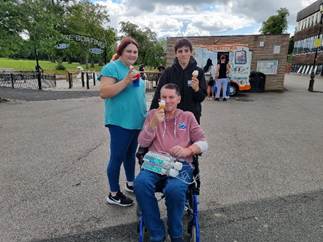
At the heart of Between Breath & Beat Trust is a commitment to those who are waiting for a life-changing transplant, but it is just as important to recognise those who have already been through that journey and are now living life on the other side. Transplant Hero’s has been created to honour and share those stories.
We have been speaking with individuals who have experienced heart and lung transplantation first-hand, giving them a space to reflect, share their journey, and offer hope to others who may currently be walking a similar path. This page is about connection, honesty, and understanding the reality of life before, during, and after transplant.
Most importantly, Transplant Hero’s is a place built with care and respect, where lived experience can be shared in a meaningful way. It is about building a stronger community, reducing isolation, and reminding others that they are not alone in what can be one of the most challenging journeys a person can face.
Below are personal stories from heart and lung transplant survivors, sharing their experiences to support, inspire, and connect with others on a similar path.
Anthony O’Reilly – Before you read Anthony’s story, I want to take a moment to thank him.
Firstly, thank you to Anthony for allowing us to share his transplant journey. It takes courage to tell such a personal story, especially one that includes both the highs and lows of life before, during and after transplantation. More importantly, thank you for the friendship that has grown from a journey neither of us ever expected to be on.
When I was admitted to the Queen Elizabeth Hospital in Birmingham in March 2025, the staff would often tell me about a gentleman on the ward who had already been waiting for a transplant for over a year. They spoke about the strength he had shown during that time and how his recovery after transplant had been a long and difficult road, resulting in further lengthy stays on the ward.
It wasn’t long before I heard that Anthony was back in hospital again. More than one member of staff suggested that I should have a chat with him. For weeks I would walk past his room, exchanging the occasional greeting, until one day we finally sat down and had that conversation.
As the weeks turned into months, our friendship began to grow. I was still waiting for my own transplant, while Anthony was battling infection after infection. It seemed as though every time he overcame one hurdle; another appeared in front of him. Despite everything he was facing, he never lost his determination.
While our heart conditions gave us something in common, it was actually sport that became the foundation of many conversations. I’m a lifelong Liverpool supporter and follow my hometown club, Hereford FC, while Anthony, thanks to family tradition, is a proud Ipswich Town supporter. Football always gave us something to debate, celebrate, or occasionally complain about. We also share a love of cricket and could often be found watching a game of The Hundred or a Test Match.
Through Anthony, I was also fortunate enough to meet his wonderful wife, Bengi. Throughout Anthony’s journey she has been a constant source of support, alongside the rest of their family. Bengi was always incredibly kind to me and understood first-hand what life in hospital was like for patients facing a long wait. Having lived through it with Anthony, she understood many of the emotions and challenges that come with being separated from home, family and normal life for such long periods.
Today, Anthony has thankfully been able to return home and begin enjoying a more normal life with his family. Despite that, he still finds time to keep in touch. Whether it’s a text message checking in or a visit when he comes back to Birmingham for appointments, our friendship continues.
Seeing the strength, resilience and determination Anthony has shown throughout his journey has been a huge inspiration to me during my own. His story reminds me that even when the road ahead seems impossible, there is always hope.
The friendship that has come from this shared experience is something I will treasure for the rest of my life. I look forward to the day when I receive my own gift of life, and I hope that together we can continue supporting one another as we both work towards better health and brighter futures.
Thank you, Anthony, for your friendship, your honesty, and for allowing us to share your story.
The Wait, The Knock, The Gift
Anthony O’Reilly’s Journey from Palliative Care to a Second Chance at Life
Can you tell us how you found out you needed a transplant, what life was like before it, and how you coped with the wait and support you received from the hospital?
I did not even know a transplant was a possibility. After a few heart attacks and heart valve replacement I was told by my local hospital that there was nothing they could do and sent me home for palliative care, they said a few weeks maximum. Without my knowledge a doctor from another hospital was emailing the QE Birmingham to see if they would give me a trial to go on the transplant list. My initial reaction was shock I was coming to terms with the fact I was reaching the end and trying to make it as easy as possible for my family and not succeeding.
Life before the transplant was hard, we had no idea how long the wait would be and had it not been for my amazing wife and the incredible staff on ward 304 who treated me like family I would not have survived. I actually became stronger on the ward due to medication and physio to give myself the best chance possible. Emotionally I coped fairly well although some days were hard especially when I was approaching one year in the QE and no sign of a Donor. Very strange feeling actually needing somebody to die so that you can live, will never get over that feeling.
To be honest it is hard to find the words to express how grateful I am to not only the healthcare professionals but the domestics the caterers the porters and the humanist and priest who all took time to make my day full of friendship. The ward manager and nursing staff were amazing, as healthcare should be they were really invested in the patient. The doctors and consultants visited regularly and so you could ask as many questions as you liked. All of the people I have mentioned literally helped to save my life.
Can you describe your hospital stay, the challenges you faced, how your health changed, and what it was like when you finally learned a transplant was available? Did you encounter any complications along the way?
The challenging times in the hospital were mostly around the long wait, getting to know great people and then seeing them leave. While I was so delighted for every transplant received, I am only human so you hoped it could have been your turn and even more you missed the company. If you catch a virus or flu etc while in hospital you are temporarily taken off the transplant list for obvious reasons but makes you feel so hopeless. You were not allowed to leave the Hospital as you were attached to drugs keeping you alive, so I spent the best p[art of two years away from home and that was so hard.
A knock on the door one random night at 1am and it was the transplant nurse, didn’t really clock on how unusual this was. She said Well it’s about time and it’s your turn, you have about 7 or 8 hours, and you will be going down for your transplant, with the proviso that it could be cancelled at any time. I didn’t really know what to do as I didn’t want to wake my family up and all my friends on the ward were asleep. I left it for two hours and then rang them, they were very excited and very scared, they drove the 1-hour drive and then it was a matter of waiting until the transplant nurse came back and said it was time to go. We then went down to the theatre, me in a bed, and said our goodbyes. The chance of life was on.
Many, many ups and downs during my stay. Will not go into most as you probably will not get them. I have been left facing dialysis 3 times a week, but I am alive.
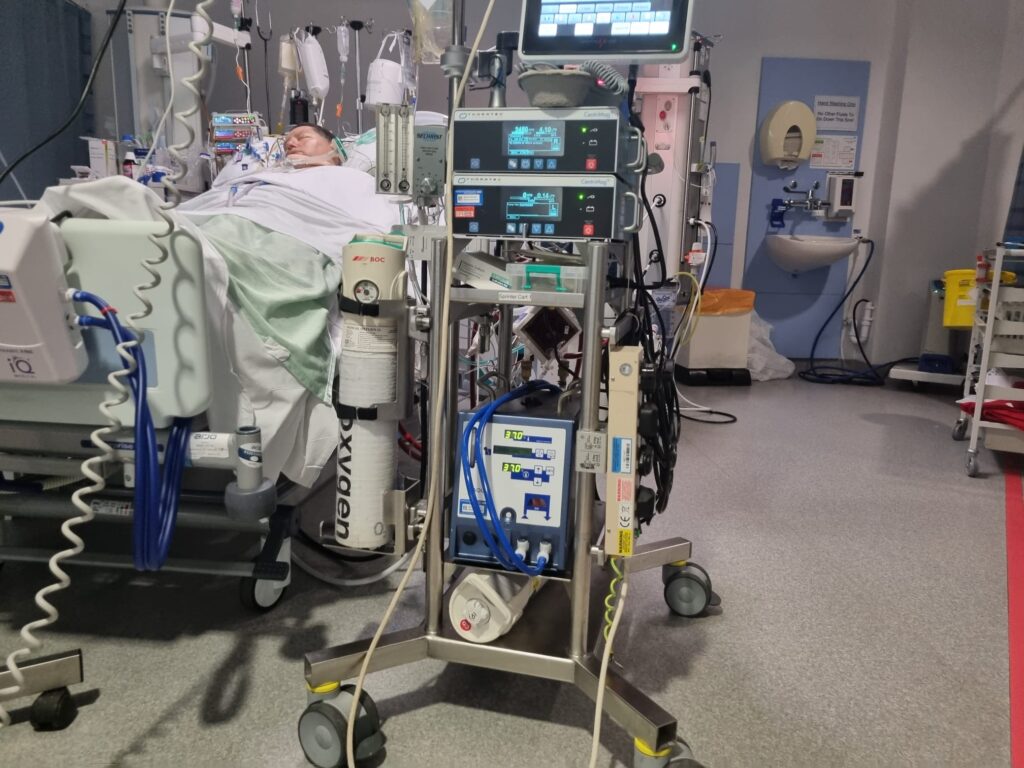
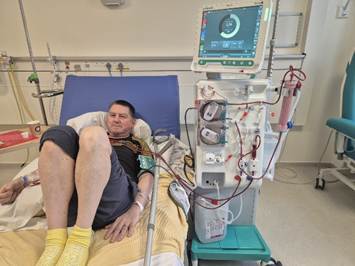
Can you tell us about your recovery after the transplant, the support you received from family and healthcare professionals, how life has changed since, and whether you faced any unexpected emotional or mental challenges along the way?
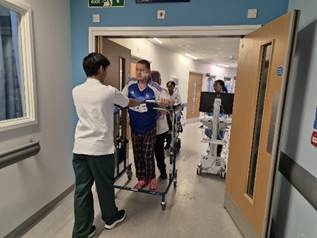
For me, again not for most, the recovery was long and hard. The hardest part for me was learning to walk, talk and eat properly all over again. Then I went into a coma and had to do it all over again. The people I did it with were amazing and were with me every step of the way.
My family were always there, I was very lucky, encouraging me to fight and bringing my home into hospital. Quotes and pictures of my football team were very inspiring as was a video message from Ipswich town. The healthcare team just kept pushing me along, working me really hard but in a fun way. The cardiac Rehab team in Rugby did an amazing job in raising my very low confidence and energy levels.
I now walk with a stick, get very tired and am in pain but I am at home with my family and loving every day.
The whole transplant journey is full of emotions, and I had some help from an psychologist while I was in hospital, this I would advise to everyone just to chat through your day, week, worries or fears.
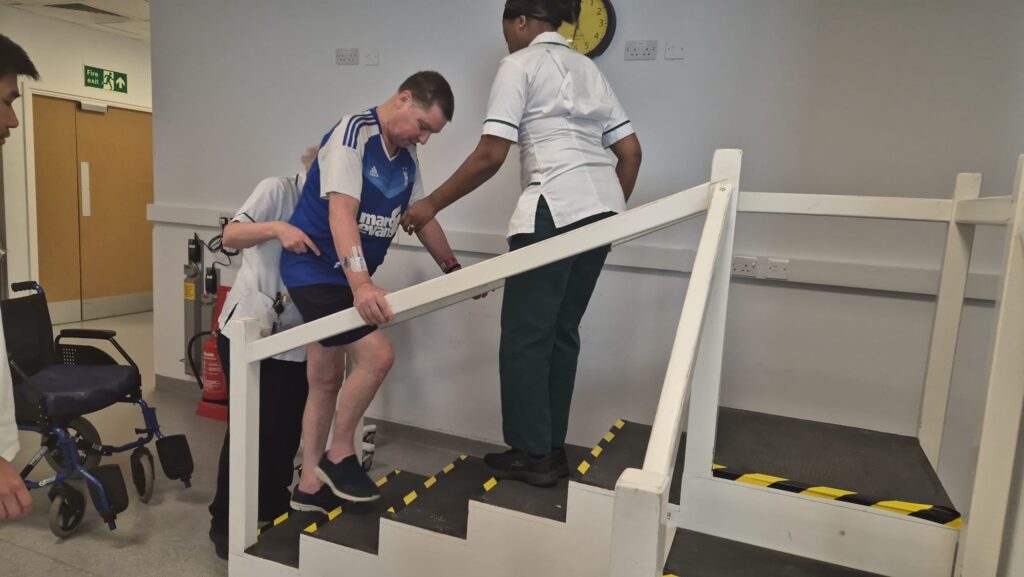
How did your transplant journey affect your family, from the wait and hospital stay through to recovery? What challenges did they face, how did they support you, and has the experience changed your relationships or brought you closer together?
The impact on the family was huge, watching somebody go through this journey is not pleasant and I felt there was very little support for family members.
My family, especially my wife, supported me above and beyond any person could expect, visiting- a long journey- 5/6 times a week while watching their loved one suffer. The biggest challenge was the long travel times the expense of travel and parking, dealing with work when you want to be in hospital and losing income just when the patient is losing PIP at the very time they need it, yes you are being fed by the hospital but you still have to pay council tax, Elec/gas, water, mortgage etc.
After the transplant my family had to make many adjustments including helping or virtually carrying me up the stairs, dressing me and much more.
It can go either way, but this whole journey bought us much closer together, sadly this is not always the case.
Looking back on your transplant journey, is there anything you wish you had known or done differently? What advice would you give to others awaiting a transplant, and how has the experience shaped your outlook on life? What message would you like to share with those supporting transplant patients—family, friends, or healthcare workers?
Not really, you need to be open minded and prepared for the long hall.
Be patient, be kind to the staff, know that one day you will get the knock on the door and your gift and remember the transplant team are doing a huge amount of work behind the scenes that you do not see.
I’m currently just so grateful for every day, time with my family I was told I would not get and hoping to get a kidney transplant in the future so I can enjoy life even more.
A huge thank you to Ward 304/727, everybody the domestics, phlebotomists, food servers, HCA’s, nurses, manager John, the transplant team who were all amazing doing a very hard job with a smile on their faces and making me feel so welcome. I would not be here without them the best ward I have ever been on.
Your journey will not be like mine for a large percentage it will be easier, but I just wanted to give a truthful version of my events. If anyone has any questions, please ask.
A huge thank you, which really doesn’t seem nearly enough, goes to my Donor and my Donor’s family who took the incredibly brave decision to give me the precious gift of life. I think of them often and hope they get some small comfort from knowing their loved one gave the gift of life ❤️
Best of luck with your journey.
Anthony O’Reilly